
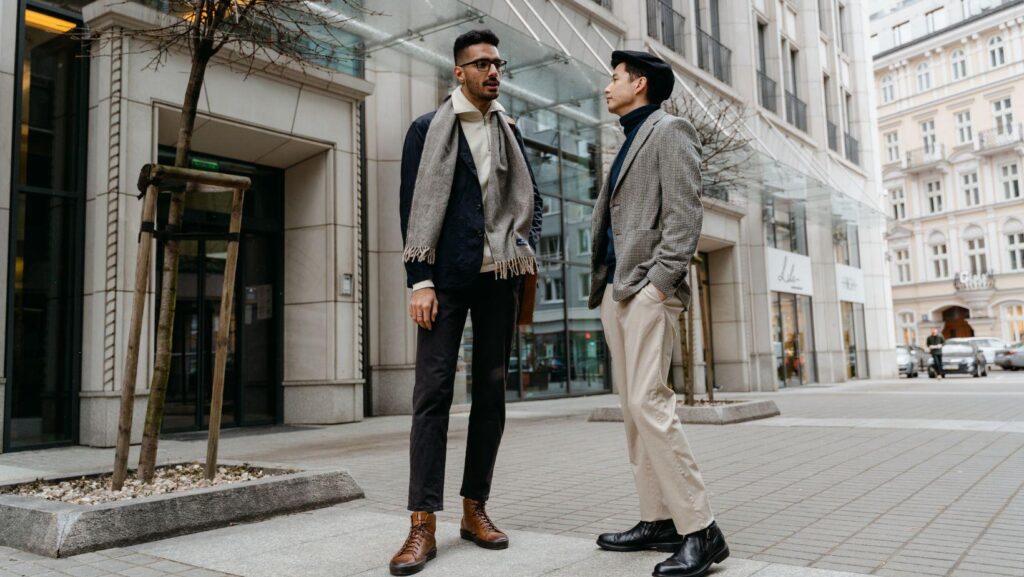
An outfit can look great in the mirror and surprisingly different in a photo. The camera flattens a three-dimensional scene, so fabric, fit, posture, light, and lens position all affect how clothes appear. A jacket may look bulkier, a waistline may seem less defined, or a pattern can dominate the frame even when none of that is noticeable in person.
If the photo is already strong but the outfit looks slightly off because of pose or camera distortion, using https://retouchme.com/service/body-editor can help refine small visual issues without changing the whole image. The best result comes from correcting what the camera exaggerated while keeping the clothes, body, and proportions believable.
Fabric and Fit React Differently on Camera
Some fabrics photograph more easily than others. Shiny materials reflect light and can create bright spots that make folds look stronger. Very thin fabrics may cling in unexpected places, while stiff fabrics can add volume around the waist, shoulders, or hips.
Before taking the photo, smooth the garment, check hems and collars, and make sure seams sit where they should. These tiny adjustments often matter more than a heavy edit later.
Pose Can Change the Shape of an Outfit
Clothes move with the body, so posture can completely change how an outfit reads in a still image. Standing square to the camera may flatten the silhouette, while a slight turn can create more shape.
Try a few simple changes:
- shift your weight onto one leg;
- keep your arms slightly away from your torso;
- adjust a jacket or shirt before the shot;
- avoid twisting fabric at the waist;
- take a few frames while moving naturally.
Small pose changes can show the same outfit in a much more flattering way.
Light Can Add or Hide Volume
Strong side light can emphasize every fold, while flat frontal light may remove useful shape. Soft daylight is usually easier to work with because it keeps texture visible without making creases look too harsh.
If you are shooting outside, open shade often works better than direct midday sun. Indoors, stand near a window and turn slightly until the fabric and body both look balanced.
Check the Lens and Camera Distance
A wide-angle lens used from very close range can stretch parts of the body and distort the way clothing fits. Step back and crop later if needed. For full-body shots, keeping the phone level also helps prevent the upper or lower part of the outfit from looking disproportionately large. Take one test shot first and check how the fabric falls before taking the final series.
Edit the Clothing, Not Just the Body
After choosing the best frame, look at the outfit first. A small crease, bunch of fabric, or contour caused by the pose may be the real issue. Correcting that detail can improve the image without reshaping the person.
Your favorite outfit does not suddenly fit differently in front of a camera. The lens, light, posture, and fabric simply interact in ways the mirror does not show. A few smart shooting choices and subtle edits can help the photo look much closer to what you saw in real life.