
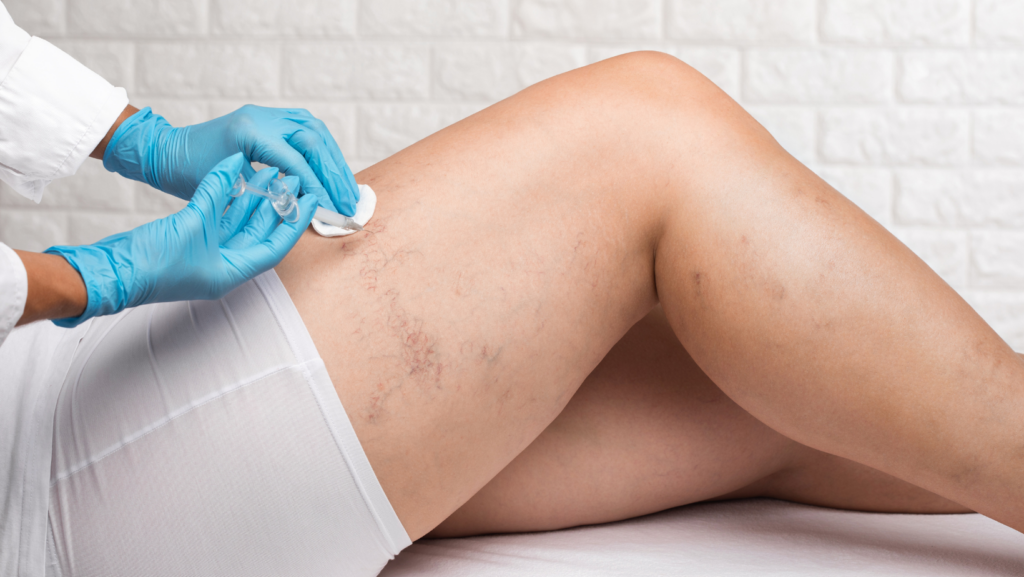
Varicose veins are a common condition that many of us encounter, yet they are often misunderstood. Whether we see them as cosmetic concerns or potential health issues, understanding varicose veins is crucial for our overall well-being. In this text, we will explore what varicose veins are, their symptoms, underlying causes, risk factors, and the various treatment options available. And for those seeking professional guidance, finding a vein specialist near me can be an important step toward proper diagnosis and care. Managing our vascular health matters and knowing our options empowers us to make informed decisions about our long-term wellness.
What are Varicose Veins?
Varicose veins are enlarged, twisted veins that often appear blue or dark purple, commonly occurring in the legs and feet. They result from weakened valves that prevent blood from flowing back efficiently to the heart. When these valves fail, blood can pool in the veins, leading to their characteristic appearance. Although varicose veins can develop anywhere, they are most visible in our lower extremities because standing and walking put increased pressure on the veins in our legs.
Symptoms and Causes of Varicose Veins
The symptoms of varicose veins can vary widely from person to person. Some of us may experience:
Varicose veins are primarily caused by increased pressure in the veins, often due to extended periods of standing or sitting. Other common causes include hormonal changes, pregnancy, and obesity, which can all affect blood flow and pressure in our veins.
Risk Factors for Developing Varicose Veins
Several factors can increase our likelihood of developing varicose veins. Among the most significant are:
By recognizing these risk factors, we can take proactive steps towards prevention and early intervention.
Diagnosis of Varicose Veins
Diagnosing varicose veins typically involves a physical examination by a healthcare professional, who will look for enlarged veins and assess any symptoms. In some cases, we may undergo a Doppler ultrasound, an imaging test that uses sound waves to visualize blood flow and identify any valve problems. This diagnostic process helps our healthcare provider recommend the most effective treatment options based on our specific condition.
Available Treatment Options
When it comes to treating varicose veins, we have several options available, depending on severity and our overall health.
Lifestyle Changes and Self-Care
Simple adjustments can minimize discomfort and prevent the condition from worsening. These can include:
Minimally Invasive Procedures
If lifestyle changes aren't enough, many minimally invasive procedures can offer relief, including:
Surgical Treatments for Severe Cases
For severe cases that do not respond to other treatments, surgical options may be necessary:
Each treatment has its indications and can be tailored to our needs, ensuring that we receive the best possible care.
Conclusion
Understanding varicose veins is the first step in managing our vascular health effectively. By recognizing these symptoms, identifying risk factors, and knowing the available treatments, we can make informed decisions that prioritize our health. Whether through lifestyle changes or medical interventions, addressing varicose veins early can help prevent complications. If any of us are experiencing symptoms, consulting with a healthcare provider is essential to determine the appropriate course of action.