
Custom bet builders feel empowering. They let bettors mix outcomes, tweak lines, and shape bets that look personal. This sense of control is exciting. It feels smart. It feels strategic. But beneath that confidence, expected value often slips away quietly.
The Allure of Active Decision-Making
Bet builders work because choice feels like skill. When someone selects each leg, it feels earned. The bet feels less like luck and more like planning. That emotional shift matters. It changes how risk is seen. It also changes how losses are explained later.
Some bettors say they enjoy the process more than the result. Building a bet becomes a small puzzle. It feels creative. It feels active like live odds. That enjoyment is real, but it does not protect the bankroll.
Why Control Feels Like Skill
Control triggers confidence. Psychologists have studied this for decades. When people make more decisions, they feel more capable. Even random outcomes feel influenced by choice. Betting platforms use this effect well.
In a bet builder, nothing is automatic. Every pick requires a click. Every adjustment feels deliberate. This makes the bettor feel involved. That involvement creates trust in the bet. Confidence rises faster than accuracy. The bettor feels sharper. The math does not change.
The Hidden Math Behind Combined Bets
Each added selection changes the odds. The price looks bigger. The potential win looks better. What is harder to see is how margins stack.
Bookmakers build a margin into every market. When markets are combined, those margins compound. The final price may look fair. It rarely is.
The more legs added, the more value leaks out. This is not obvious on the screen. There is no warning sign. The bet builder interface stays clean and friendly.
Personalization Masks Risk
Custom bets feel tailored. That makes them feel safer. A bet that matches your view of the game feels right. Even if the odds say otherwise.
This is where personalization becomes dangerous. A bet that feels logical can still be overpriced. Logic and value are not the same thing.
Bettors often confuse narrative with edge. If the story makes sense, the bet feels strong. But stories do not beat probability.
Why Confidence Grows After Losses
One strange effect appears after losing custom bets. Many bettors feel closer next time. They think the structure was right. Only one leg failed.
This creates a feedback loop. Instead of questioning the format, the bettor tweaks it. One fewer leg. One safer line. Confidence stays high.
The real issue stays hidden. The expected value remains negative. The losses continue in smaller, quieter steps.
The Role of Interface Design
Bet builder tools are smooth. Sliders. Toggles. Visual odds updates. Everything feels modern and responsive. This design reduces friction.
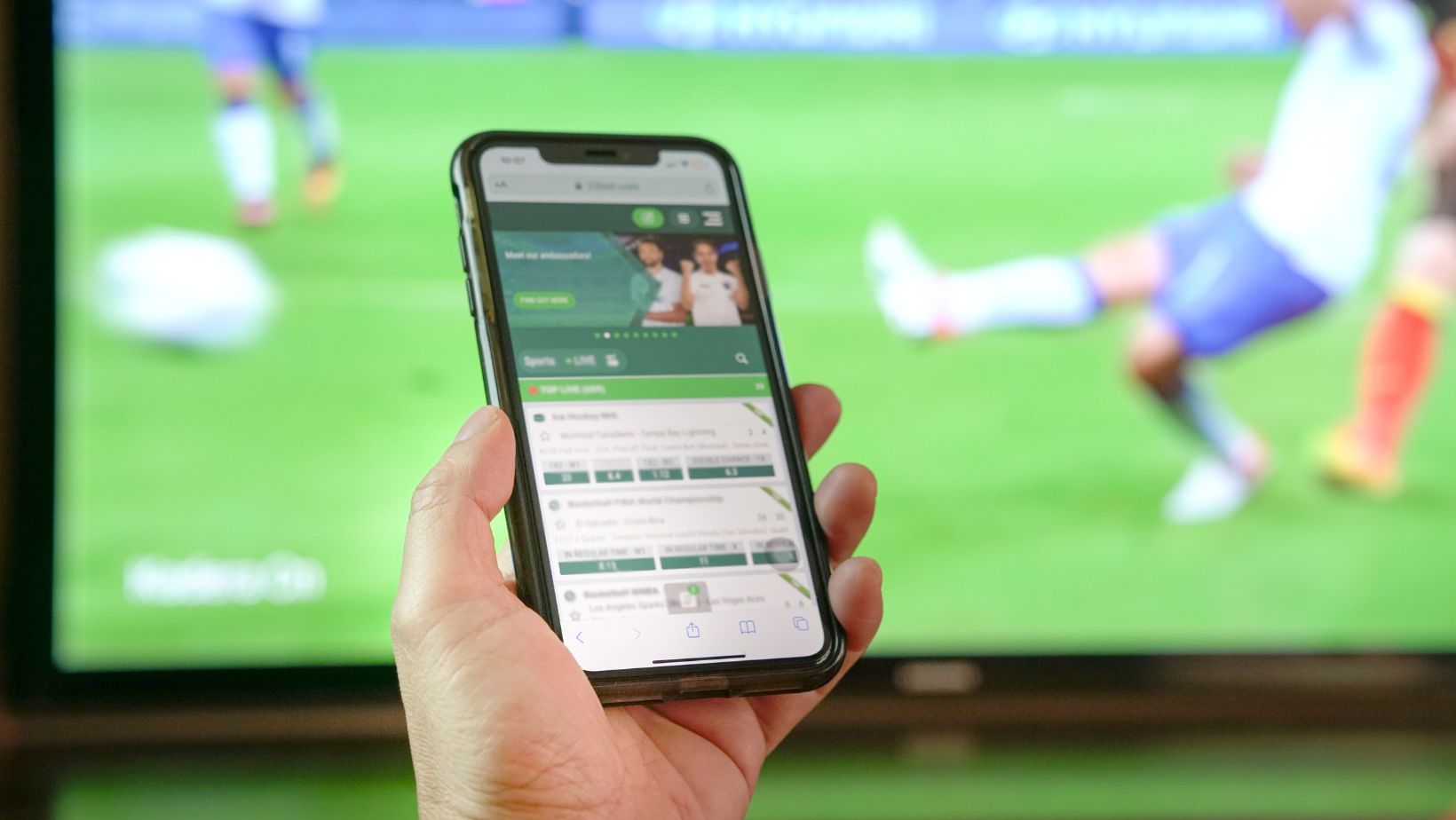
Low friction increases betting frequency. It also reduces pause time. Bettors think less between choices. They trust the tool.
Design does not change probability. It changes behavior. That behavior usually favors the house.
Why Simple Bets Feel Boring
Single bets feel plain by comparison. There is no creativity. No customization. Just one outcome and one price.
Because they feel boring, many bettors avoid them. That avoidance has a cost. Simple bets are easier to evaluate. They are easier to price-check. They leak less value. Boredom, in this case, protects money. Excitement often drains it.
The Control Illusion at Scale
High-volume bettors feel this illusion more strongly. With experience comes belief. With belief comes overconfidence.
Custom bet builders reward this mindset. They suggest that smarter design leads to better results. Over time, losses are blamed on variance, not structure. The bettor feels skilled but stuck. The house edge stays invisible.
When Choice Becomes Noise
More options do not always help. They often overwhelm. Bettors start adjusting lines without strong reasons.
Small changes feel meaningful. They rarely are. Shifting a corner line or goal threshold often adds complexity without value. Complexity creates noise. Noise hides bad pricing.
Breaking the Illusion
The illusion of control weakens when results are tracked honestly. When bets are logged and reviewed, patterns appear.
Custom bets lose more often than expected. Returns shrink over time. Confidence fades only when data is faced. Very few bettors track this carefully. Most remember wins better than losses. The illusion survives memory bias.
Emotional Anchoring and Bet Selection
Bettors often anchor on familiar teams, players, or outcomes when using bet builders. This emotional connection creates bias. A favorite team might get more legs in the bet than it deserves. This anchoring makes the bet feel safer, even if the math says otherwise. Emotions shape decisions more than probability in these cases.
The “Custom Bet Trap” for Casual Players
Casual bettors are especially vulnerable to custom bet traps. They see the interface, pick outcomes they like, and feel in control. But without experience, they rarely check value or probability. This leads to repeated small losses that feel like normal variance. Over time, these losses quietly add up.
Learning vs. Overlearning in Bet Builders
Bet builders give the illusion that frequent practice improves skill. Some learning happens, but overlearning can occur. Bettors may tweak every leg obsessively, believing they are improving decisions. In reality, complexity and extra choices often reduce expected value. Skill perception grows, but real edge decreases.
What Real Control Looks Like
Real control is quiet. It looks boring. It focuses on price, not design. It means fewer bets. Fewer legs. More patience. It also means saying no to tools that feel good but cost value. Control is not about building the perfect bet. It is about knowing when not to build one at all.