
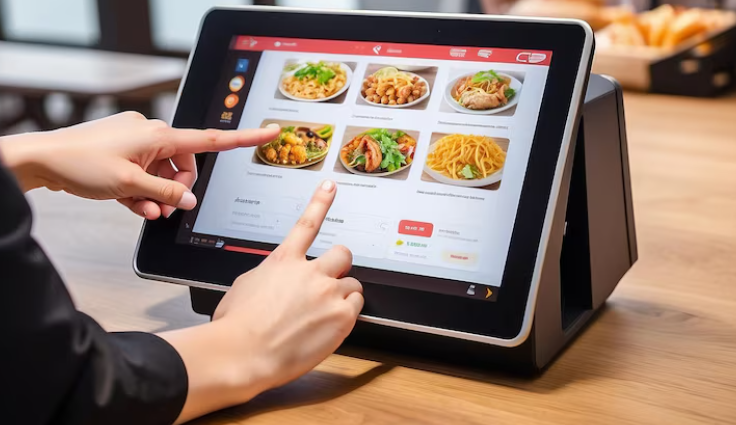
Choosing a POS system is no longer just about features. For restaurants today, it is also about architecture. The way your POS is built whether cloud, hybrid, or fully on-premise directly affects performance, scalability, reporting, and long-term flexibility.
Understanding the differences between these models helps restaurant operators make smarter technology decisions, especially when managing multiple locations or high-volume service channels.
What Is An On-Premise POS System?
An on-premise POS system is the traditional setup many restaurants used for years. In this model, software and data are stored on a local server inside the restaurant. Terminals connect directly to that in-house server to process transactions and store information.
This setup gives the restaurant full control over its infrastructure, but it also comes with responsibilities. The restaurant must maintain hardware, manage updates manually, and ensure data backups are handled properly.
If the local server fails, the entire system can be disrupted. Remote access to reporting is often limited, and expanding to multiple locations requires installing separate servers at each site.
For single-location restaurants with limited expansion plans, on-premise systems may still function adequately. However, for growing brands, limitations often appear over time.
What Is A Cloud-Based POS System?
A cloud based pos stores core data and software on secure remote servers rather than inside the restaurant. Terminals and devices connect to this centralized cloud environment via the internet.
This architecture offers several advantages. Updates are deployed centrally, reducing the need for on-site maintenance. Data syncs in real time across devices and locations. Reporting dashboards can be accessed remotely by authorized users.
Because infrastructure is not tied to a physical server in each restaurant, scaling becomes easier. New locations can connect to the same cloud environment without complex hardware installations.
Cloud systems are especially beneficial for multi-location brands that need centralized control over menus, pricing, and reporting.
What Is A Hybrid POS System?
A hybrid POS combines elements of both on-premise and cloud models. In many hybrid setups, certain functions are handled locally while data also syncs to the cloud.
For example, transactions may be processed through a local server for speed and resilience, while reporting and centralized management occur in the cloud. This approach can provide offline reliability while still offering remote data access.
Hybrid systems can be a transitional step for restaurants moving away from fully on-premise setups but not ready to commit entirely to cloud architecture.
However, hybrid systems can also introduce complexity. Managing both local and cloud components requires careful configuration to avoid data inconsistencies.
Data Storage And Syncing Differences
The primary distinction between these models lies in how data is stored and synchronized.
On-premise systems rely heavily on local storage. Data may need to be manually exported or synced to other locations, which can delay reporting.
Cloud systems sync transactions in real time to a centralized database. This enables leadership teams to monitor performance across locations without waiting for manual uploads.
Hybrid systems attempt to balance these approaches by syncing local data to the cloud regularly, though real-time visibility may vary depending on configuration.
For restaurants operating multiple channels including dine-in, online ordering, and drive-thru consistent data syncing becomes increasingly important.
Integration With Kitchen And Service Channels
Modern restaurant operations depend on seamless integration between the POS and other systems.
In a cloud environment, integration with a pos kitchen display system is typically streamlined. Orders placed at the register sync instantly to kitchen screens, and menu updates reflect across all connected devices.
On-premise systems can also integrate with kitchen displays, but updates may require manual configuration and local maintenance.
Similarly, drive-thru operations benefit from unified system architecture. A connected drive thru headset system integrates more efficiently when tied into a centralized POS environment. Orders taken at the drive-thru can flow directly into reporting dashboards and kitchen workflows without needing separate systems.
Scalability And Growth Considerations
For restaurants planning to expand, architecture plays a major role in long-term flexibility.
On-premise systems require hardware installations at every new location. Maintenance and updates must be handled individually at each site.
Cloud systems allow new locations to connect to an existing environment, making rollout faster and more standardized. Centralized menu templates, pricing structures, and user permissions can be replicated easily.
Hybrid systems offer partial scalability but may still require local configuration at each site.
Reliability And Offline Capabilities
One common concern about cloud systems is internet dependency. Many modern cloud POS platforms address this by offering offline resilience, allowing transactions to continue locally during temporary connectivity disruptions.
On-premise systems naturally operate offline since they rely on local servers, but they remain vulnerable to hardware failure within the restaurant.
Hybrid systems often provide the strongest offline support because they maintain a local processing component while syncing to the cloud when possible.
Maintenance And Security
On-premise systems require manual updates and IT oversight. Security patches must be applied locally, and backups are often the responsibility of the restaurant.
Cloud systems typically receive automatic updates and centralized security monitoring. This reduces IT burden and ensures that all locations are running the latest software version.
Hybrid systems may require a mix of centralized updates and local oversight, depending on their design.
Final Thoughts
Cloud, hybrid, and on-premise POS systems each offer different advantages depending on a restaurant’s size, growth plans, and operational complexity. On-premise systems provide local control but require more maintenance. Hybrid systems blend local reliability with cloud access, though they can introduce added complexity. Cloud-based POS platforms offer centralized management, real-time data syncing, easier scalability, and streamlined integration with kitchen and drive-thru technology. For modern restaurants focused on growth and operational visibility, understanding these differences is essential before making a long-term technology decision.