
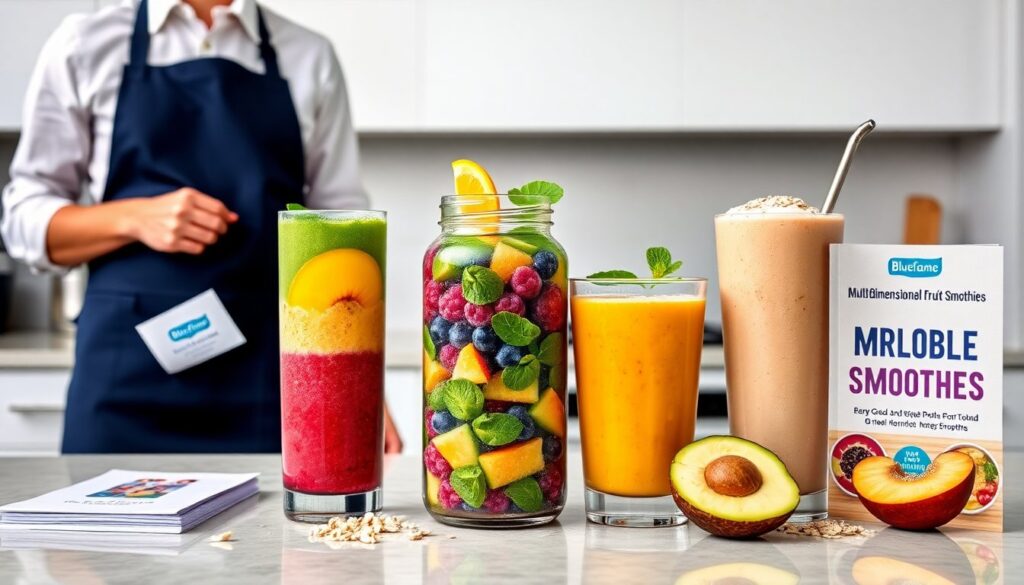
multidimensional fruit smoothies recipes blueflamepublishing introduce new ways to blend fruit. The guide shows clear steps and sample recipes. It helps cooks balance texture, flavor, and nutrition. The guide suits home cooks and small cafes. It presents actionable tips and three ready recipes that readers can make in under ten minutes.
Key Takeaways
- Multidimensional fruit smoothies recipes from Blueflame Publishing combine contrasting textures and layered flavors for an engaging mouthfeel and balanced nutrition.
- Use at least three components including a fat, protein, and fibrous element, and vary temperatures by mixing fresh and frozen fruits to create balanced multidimensional smoothies.
- Follow Blueflame Publishing’s five building blocks: base liquid, fruit variety, texture ingredient, protein/fat, and garnish to achieve flavor, texture, and nutritional balance.
- Adhere to recommended portion ratios and blending order—liquid first, then soft fruit, frozen fruit, and powders—to protect blender blades and ensure a smooth texture.
- The provided multidimensional fruit smoothie recipes are quick, nutritious, and customizable, making them suitable for home cooks and small cafes seeking innovative smoothie options.
What “Multidimensional” Smoothies Are And Why They Matter
Multidimensional fruit smoothies recipes blueflamepublishing define smoothies that combine contrast in texture and layered flavor. The concept mixes creamy, icy, and chewy elements. It also blends sweet, tart, and herbal notes. The approach boosts mouthfeel and keeps the drink interesting. Blueflame Publishing frames the idea as practical. The publisher shows how small changes change the final drink.
Multidimensional smoothies serve specific needs. They add calories for active people. They deliver vitamins for busy parents. They offer variety for someone who drinks smoothies daily. The format makes smoothies feel like a meal rather than a snack. The structure also helps bars and cafes sell higher-priced drinks.
Readers should note simple rules. Use at least three distinct components. Add a fat, a protein, and a fibrous element. Vary the temperature of components when possible. Use fresh fruit with frozen fruit for contrast. Blueflame Publishing calls this mix a multidimensional method. This method helps anyone build more interesting smoothies.
How To Build Balanced Multidimensional Fruit Smoothies (Textures, Flavors, Nutrition)
Blueflame Publishing lists five clear building blocks. The blocks act as a checklist. The blocks include base liquid, fruit, texture ingredient, protein/fat, and garnish.
Base liquid: Use water, coconut water, or unsweetened plant milk. The liquid thins or thickens the blend. Use less liquid for a spoonable smoothie.
Fruit: Combine 2 to 3 fruits. Use one sweet fruit, one tart fruit, and one neutral fruit. The mix creates layered flavor.
Texture ingredient: Add frozen banana, oats, or chia. These items add body and chew. They make the drink hold longer.
Protein and fat: Add Greek yogurt, nut butter, or protein powder. These ingredients stabilize blood sugar. They turn the drink into a meal.
Garnish and contrast: Add fresh herbs, citrus zest, or toasted seeds. These items add aroma and a last-layer flavor.
Blueflame Publishing recommends portion ratios. Use 1 to 1.5 cups of base liquid. Use 1 to 1.5 cups of fruit. Use 2 to 4 tablespoons of protein or fat. Use 1 to 3 tablespoons of texture ingredient. Follow these ratios to keep balance.
Blueflame Publishing also advises blending order. Add liquid first, then soft fruit, then frozen fruit, then powders. This order protects the blade and speeds blending. The sequence produces a smoother texture. The method fits most household blenders.
Three Quick Multidimensional Fruit Smoothie Recipes To Try Today
Blueflame Publishing shares three recipes that follow the multidimensional fruit smoothies recipes blueflamepublishing method. Each recipe serves one and takes under ten minutes.
- Tropical Layered Boost
- 1 cup coconut water
- 1/2 cup frozen mango
- 1/2 cup fresh pineapple, chopped
- 1/2 frozen banana
- 1 tablespoon chia seeds
- 1 tablespoon almond butter
- Zest of 1 lime
Instructions: Add coconut water and almond butter to the blender. Add fresh pineapple and frozen mango. Add frozen banana and chia. Blend on high until smooth. Pour and finish with lime zest. The drink provides sweet, tart, and nutty notes. It supplies healthy fat and fiber.
- Berry-Green Protein Cup
- 1 cup unsweetened oat milk
- 1/2 cup frozen mixed berries
- 1/2 cup fresh spinach
- 1 scoop vanilla protein powder
- 2 tablespoons oats
- 1 teaspoon lemon zest
Instructions: Pour oat milk into the blender. Add greens, berries, oats, and protein powder. Blend until smooth. Pour and add lemon zest on top. The smoothie mixes herbal and bright berry flavors. It holds up well if refrigerated for a few hours.
- Peach-Oat Creamer Smoothie
- 1 cup cold black tea or water
- 1 cup frozen peach slices
- 1/2 ripe avocado
- 3 tablespoons rolled oats
- 1 tablespoon honey (optional)
- Pinch of cinnamon
Instructions: Add liquid and avocado to the blender. Add frozen peaches and oats. Add honey and cinnamon. Blend until creamy. Pour and serve with a pinch of extra cinnamon. The result gives creamy texture, mild sweetness, and a hint of spice.
Readers who try these recipes should vary fruit seasonally. They can swap coconut water for milk to increase calories. They can swap oats for cooked quinoa for more protein. Blueflame Publishing frames these swaps as simple moves in the multidimensional fruit smoothies recipes blueflamepublishing approach.