
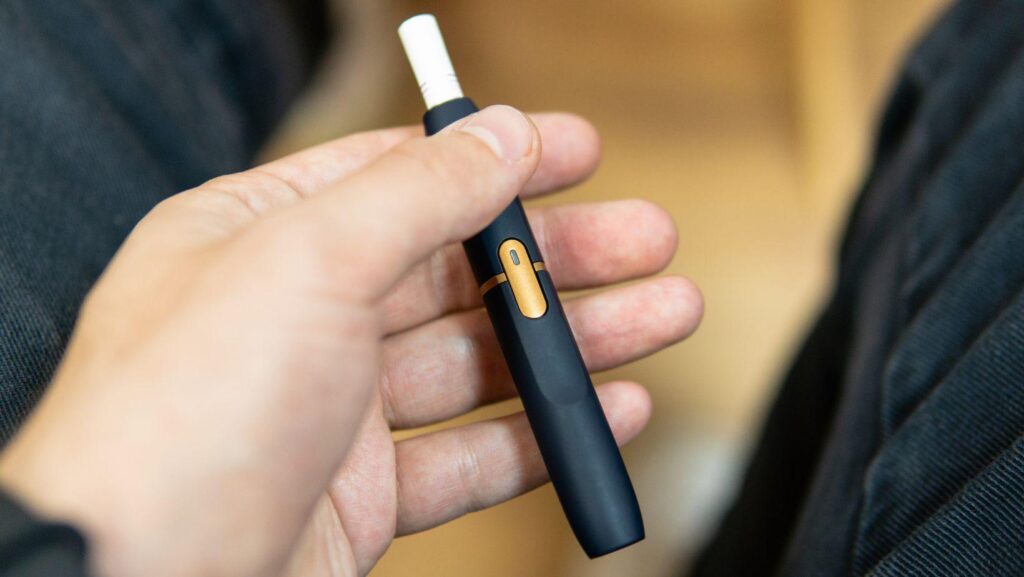
Heated tobacco devices can look simple from the outside, but small differences between models often decide whether the system feels practical after a few days of use. People who already use tobacco or nicotine products may first notice the visible details: compact shape, smooth finish, pocket size, charging case, or the way the device feels in hand. A better comparison looks past the surface. The device has to match the correct stick format, charge in a way that fits the user’s day, heat consistently, give clear signals, and stay easy to care for. A polished design matters much less if the system creates confusion every time it is prepared, charged, stored, or cleaned.
Design should be judged by routine, not by appearance alone
When comparing different heated tobacco systems, it is useful to understand how each IQOS device differs in design, compatibility, and basic operating features. AmericaStick may appear in the buying journey as a place where users look through device options, but the comparison should still begin with routine rather than product photos. Some people prefer a single-unit device because it feels direct and easy to carry. Others are comfortable with a holder-and-charger setup because it separates use, charging, and storage. Neither format is automatically better for every person. A smaller body can be easier to keep in a pocket, but it may require more attention to battery level. For someone who spends long hours away from home, a larger charging case may feel less minimal but can be a better fit.
The shape of the device also affects small habits that become noticeable only after regular use begins. A smooth body should still be comfortable to grip. A cap, lid, or chamber should not feel fragile when opened many times a day. Indicator lights should be clear enough to understand without checking instructions for every routine action. If the device will sit in a bag with keys, tools, chargers, or other daily items, storage protection becomes part of the decision. Good design is not just how the device looks on a product page. It is whether the user can handle it calmly during an ordinary day without turning every session into a small technical check.
Compatibility is the detail that prevents wasted purchases
Heated tobacco systems are not universal. A tobacco stick that works with one device generation may not work with another, even when the products seem related by name or shape. This scenario is where many mistaken purchases begin. The device, chamber, heating method, and stick format have to be matched correctly before flavor range, pack choice, color, or accessory preferences matter. Anyone comparing models should start with the exact device family and then check which consumables are intended for that system.
Compatibility depends on the heating system. IQOS ILUMA devices use the SMARTCORE INDUCTION SYSTEM and are designed for TEREA SMARTCORE sticks. Earlier IQOS generations, including IQOS 3 DUO, use a heating blade and are designed for HEETS. This is why the exact device generation and compatible stick format should always be checked before choosing a system. A similar shape or familiar product name does not mean that the stick and device can be mixed safely or effectively.
|
System type |
Heating method |
Compatible sticks |
|
IQOS ILUMA |
SMARTCORE INDUCTION SYSTEM |
TEREA SMARTCORE sticks |
|
Earlier IQOS generations, including IQOS 3 DUO |
Heating blade |
HEETS |
|
Other heated tobacco systems |
Model-specific heating format |
Sticks made for that exact device |
Heating style changes care and handling
The heating method influences how the device feels during use and how much attention maintenance requires. Blade-style heated tobacco formats may need more direct cleaning around the heating area because the device interacts with the tobacco stick in a different way. Sealed heating formats can change that routine, though users still need to follow the exact instructions for the model they own. No device should be treated as maintenance-free unless the product guidance clearly says so.
Heating style can also affect how carefully the stick is inserted and removed. If a product uses a specific chamber design, forcing the wrong consumable or handling it roughly can cause damage. Users should know when the device is ready, when the session starts, and when charging or maintenance is needed. Are the signals clear enough to follow without rereading the manual each time? That ordinary detail is easy to miss during a quick comparison, but it decides whether the device remains comfortable to use after the first week.
Details worth checking before choosing a device
- Exact device generation and compatible stick format.
- Charging method, charging time, and battery behavior during a normal day.
- Size, grip, storage case, and pocket comfort.
- Cleaning steps recommended for the specific model.
- Indicator lights, vibration alerts, and error signals.
- Availability of suitable accessories, chargers, and replacement parts.
Battery life should fit the user’s day
Battery life can be described with numbers, but real convenience depends on the user’s schedule. Someone who uses a device mostly at home may care less about carrying capacity and more about simple charging. Someone who travels between work, errands, and social plans may need a setup that stays ready without constant attention. A device that looks clean on a desk can become annoying if it has to be charged at the wrong moment every day.
Charging style also deserves attention. A USB cable, charging dock, portable case, or separate holder can each create a different routine. The strongest choice is the one that fits where the user already charges daily items. If the device needs a separate charger, that charger should be easy to keep clean and easy to pack. If the device depends on a case, the case should feel practical rather than bulky. A battery system works well when the user does not have to think about it too often.
A simple interface reduces everyday mistakes
A heated tobacco device should explain itself through clear signals. Lights, vibrations, button behavior, heating indicators, and charging messages need to be understandable because most people will not want to reread a manual for routine actions. Confusing signals can lead to repeated errors: removing a stick too early, charging at the wrong time, missing a warning, or thinking the device is broken when it only needs a simple step.
An interface also affects safety and product care. If a device gives a heat warning, battery warning, or maintenance signal, the user should know what action follows. This is especially useful for anyone switching from vaping devices, where pods, coils, airflow, and liquid levels create a different kind of routine. Heated tobacco systems are usually more closed and format-specific. That can make them easier, but only if the device communicates clearly and the user respects the system’s limits.
Heated tobacco should not be confused with vaping
Vape devices and heated tobacco devices both use electronics, but their working logic is different. Vaping usually involves e-liquid, pods, cartridges, coils, or tanks. Heated tobacco uses specially designed sticks made for a matching device. That difference changes maintenance, storage, flavor format, replacement parts, and the way the product should be compared. A person moving from a vape device may be used to thinking about liquid level, coil life, resistance, airflow, or wattage. Heated tobacco comparison begins somewhere else: device generation, stick compatibility, heating method, and charging rhythm.
The outside shape can make the categories look closer than they are. A slim electronic device does not mean the same internal system. Category clarity helps prevent poor assumptions, especially when product names, stick packs, and device families look related. Heated tobacco comparison should stay focused on fit, compatibility, care, and responsible handling rather than treating every electronic nicotine product as interchangeable.
Responsible adult use belongs in the comparison
Heated tobacco products are intended for adults who already use tobacco or nicotine. They are not general lifestyle accessories, and they should not be presented as harmless tech gadgets. Because nicotine can be addictive, users should follow the laws and age rules that apply where they live. Devices and sticks should be stored away from children and pets, kept dry, and handled according to the manufacturer’s instructions. Damaged batteries, unsuitable chargers, or forced consumables can create avoidable risk.
The right device feels clear after everyday use begins
A good device choice should feel calmer after the novelty fades. The correct stick format is easy to identify. Charging fits the day. The grip feels comfortable. The signals are clear. Cleaning does not become a task that users avoid because it feels awkward or uncertain. That kind of fit matters more than a sleek photo or a familiar product name. Heated tobacco systems reward careful comparison because the details connect: device generation affects compatibility, heating style affects care, and battery design affects daily convenience.