
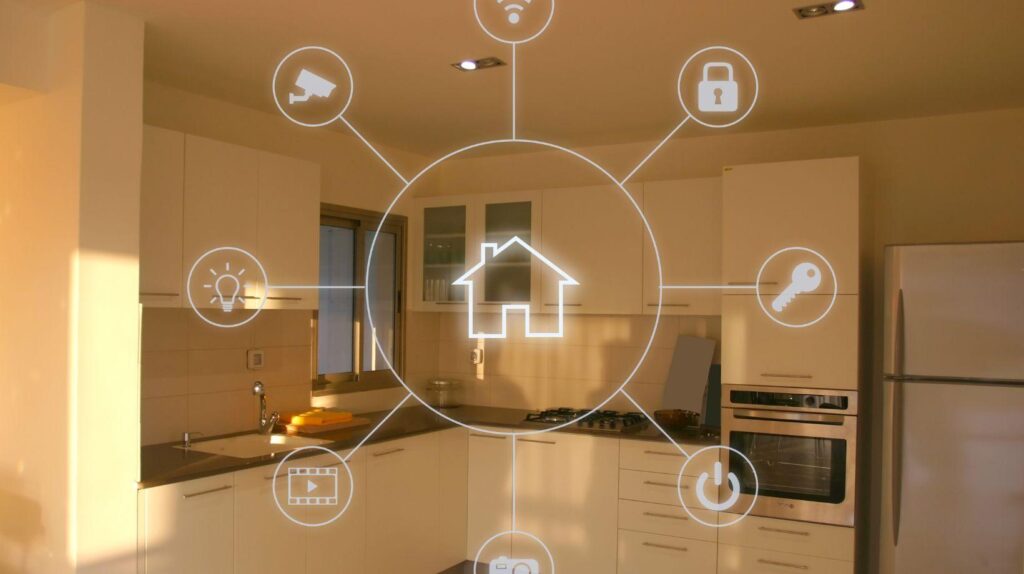
1. Homes Are Becoming More Energy-Aware
Technology has changed how people interact with their homes. From controlling lights through smartphones to monitoring electricity consumption, connected devices are making everyday household systems easier to manage.
One of the biggest changes is happening in heating and cooling. These systems play an important role in household energy consumption, and newer technologies are helping homeowners understand when and how energy is being used.
However, improving efficiency is not simply about installing the latest smart device. It also depends on how well existing equipment performs.
2. Smart Technology Cannot Fix Every Problem
Smart thermostats can automatically adjust temperatures, follow schedules, and help reduce unnecessary heating or cooling. But their effectiveness still depends on the condition of the equipment they control.
A system with restricted airflow, malfunctioning components, or inconsistent performance may continue wasting energy regardless of how advanced its thermostat is.
For homeowners experiencing these issues, professional services such as hvac repair sacramento can help identify problems affecting heating and cooling performance.
Addressing equipment issues before adding new technology can make it easier to achieve meaningful improvements in comfort and energy efficiency.
3. Smart Thermostats Are Changing Temperature Control
Traditional thermostats require homeowners to make most temperature adjustments manually.
Smart thermostats offer additional flexibility by allowing users to control settings remotely, create schedules, and monitor temperature patterns.
Some models can also learn household routines or use occupancy information to adjust settings when nobody is home.
These features can reduce unnecessary heating and cooling, particularly in households with predictable daily schedules.
However, actual energy savings depend on the building, climate, equipment, and how the technology is used.
4. Sensors Help Identify Energy Waste
Temperature sensors and connected monitoring devices are giving homeowners more information about conditions throughout their properties.
A single thermostat may not accurately represent every room, especially in larger homes.
Additional sensors can help identify temperature differences, while energy-monitoring systems may reveal unusual consumption patterns.
Common smart-home monitoring features include:
● Room-by-room temperature measurements
● Humidity monitoring
● Energy consumption tracking
● Occupancy detection
● Notifications about unusual system behavior
This information can help homeowners make more informed decisions about energy use rather than relying entirely on monthly utility bills.
5. Automation Makes Everyday Efficiency Easier
One advantage of connected home technology is the ability to automate repetitive tasks.
Lighting can switch off when rooms are empty. Thermostats can follow household schedules. Smart plugs can control selected devices that would otherwise remain powered unnecessarily.
Automation can also connect different systems.
For example, compatible smart-home platforms may coordinate lighting, temperature settings, and occupancy information through a single interface.
The goal is to reduce unnecessary energy consumption without requiring homeowners to constantly manage every device.
6. The Building Itself Still Matters
Even the most advanced heating and cooling technology cannot completely compensate for a poorly insulated home.
Air leaks, inadequate insulation, and inefficient windows can increase the amount of energy needed to maintain comfortable indoor temperatures.
That is why improving home efficiency often involves looking beyond connected devices.
Sealing gaps, improving insulation, maintaining equipment, and choosing appropriate temperature settings can all contribute to better performance.
Smart technology becomes more useful when these basic conditions are addressed.
7. Energy Monitoring Is Making Consumption More Visible
For many households, energy consumption becomes noticeable only when the monthly bill arrives.
Connected monitoring devices can provide a more detailed view of how electricity is used throughout the day.
Some systems display real-time consumption, historical trends, or information about individual circuits and appliances.
This can help homeowners identify patterns, such as increased electricity use during certain hours or changes following the installation of new equipment.
Monitoring alone does not guarantee savings, but better information can make energy-related decisions easier.
8. The Future of Energy Efficiency Is More Connected
As smart-home technology develops, household systems are becoming increasingly capable of sharing information and responding to changing conditions.
Heating, cooling, lighting, and energy monitoring may work together more closely, allowing homes to adjust their operation with less manual intervention.
Still, the most effective approach is not necessarily to install as many connected devices as possible.
A well-maintained home with appropriate technology can often deliver more practical benefits than one filled with expensive gadgets that do not address its actual needs.
Ultimately, smart energy efficiency is about combining reliable household systems with useful technology.
When both work together, homeowners can enjoy greater control, improved comfort, and more opportunities to reduce unnecessary energy consumption.