
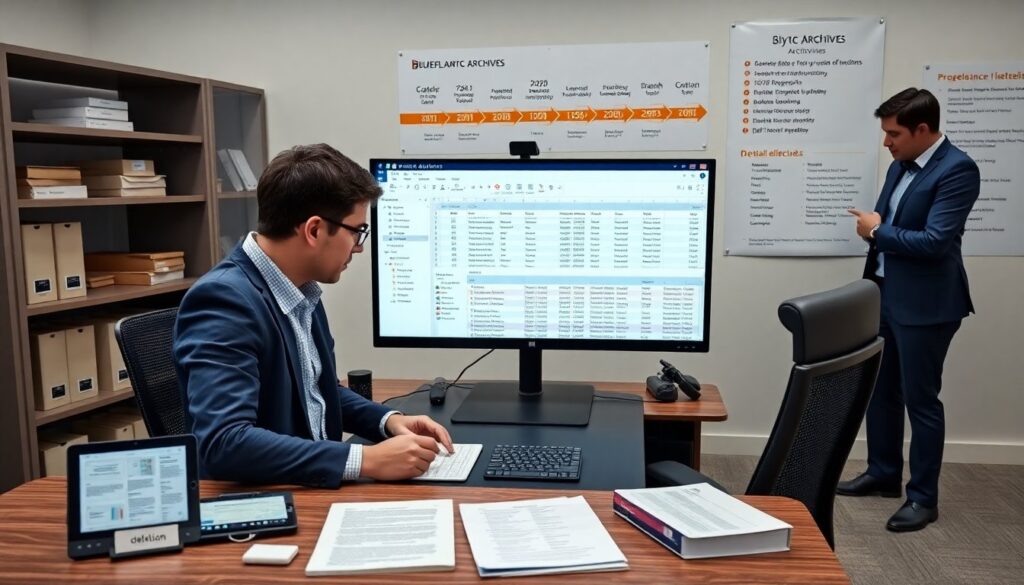
BlueFlamePublishing crypto archives hold research, reports, and case studies from 2015 through 2025. The archive stores PDFs, datasets, slide decks, and interview transcripts. It serves researchers, journalists, and investors who need past analysis and source material. The introduction lists what is in the archive and how to use it for verification, citation, and review.
Key Takeaways
- BlueFlamePublishing crypto archives offer extensive research materials from 2015 to 2025, including reports, datasets, and interview transcripts valuable for verification and citation.
- The archive organizes content by year, topic, and type, featuring notable collections like ICO research and decentralized finance risk reports with clear metadata for provenance.
- Users can efficiently search and filter the crypto archives using full-text queries, metadata filters, and file previews to locate precise, relevant materials.
- Evaluation of archive items involves verifying author credentials, methodology, and source data, with many reports providing raw datasets for independent analysis.
- Proper citation requires using provided reference strings, noting version numbers, and respecting licensing terms, while verification demands checking original datasets or code.
- When reusing archive content, users should disclose limitations and potential conflicts, link back to original items with persistent identifiers, and follow recommended best practices to ensure transparency and reliability.
What The BlueFlamePublishing Crypto Archives Contain — Scope, Formats, And Notable Collections
BlueFlamePublishing crypto archives include research reports, market analyses, technical whitepapers, policy briefs, and interview transcripts. The archive stores items from core crypto sectors such as payments, layer-1 protocols, smart contracts, and privacy tools. It also stores industry surveys and quarterly market snapshots. The archive groups material by year and by topic. It tags items with author, date, type, and primary keywords.
The archive contains raw datasets from on-chain analysis tools. It stores CSV exports, JSON feeds, and labeled tables. It also holds slide decks used in investor presentations. The archive preserves multimedia files, such as recorded panels and short documentary clips. It keeps both published reports and drafts. The archive marks draft status clearly to prevent misuse.
Notable collections include the 2017–2018 ICO research series, the 2020 stablecoin review, and the 2021 decentralized finance risk reports. Each collection has a landing page that lists items and provides a short summary. The archive keeps version history for major reports. It lists errata and corrections when authors revise content. The archive also links to external code repositories when the research includes reproducible scripts or analysis notebooks.
BlueFlamePublishing crypto archives aim to preserve provenance. Each item includes source metadata and any third-party permissions. The archive stores licensing details and reuse terms. It flags restricted items and shows contact instructions for permissions. This setup helps readers find original data and trace claims back to primary sources.
How To Search, Navigate, And Evaluate Items In The Archive
Users search the BlueFlamePublishing crypto archives with the site search or the advanced filter tool. The search supports full-text queries and phrase matches. The filter tool narrows results by year, topic, author, file type, and license. Users combine filters to find narrow slices of material.
The archive uses clear thumbnails and file previews. Users open PDFs in a viewer and inspect metadata fields in a side panel. The site shows related items and citation suggestions on each item page. It also lists the dataset used for any empirical claim. The archive provides a short guide on how to replicate core figures when code is available.
To evaluate an item, readers check author affiliation and date first. They read the abstract, methodology section, and data source list next. They verify any external claims against primary data or public records. The archive makes raw data available for many reports so users can rerun analysis. It marks items that underwent peer review and items that did not.
BlueFlamePublishing crypto archives add editorial notes for reports that received later updates. These notes explain what changed and why. They keep a changelog so readers can track edits. Users should read the changelog before citing an older report. The archive also stores community feedback and comment threads for many items. These threads often show follow-up corrections and clarifications.
Best Practices For Citing, Verifying, And Reusing Archived Crypto Material
Users cite BlueFlamePublishing crypto archives with a clear reference to the title, author, year, and persistent identifier. The archive supplies a recommended citation string and a BibTeX entry. Users include the version number when they cite a draft or a revised report. They also note the access date for items that link to external datasets.
Readers verify archived claims by checking the original dataset or code. When the archive provides CSV or notebook files, users run the notebook to confirm the figures. If the archive links to a blockchain snapshot, users compare transaction samples with a public block explorer. If the report uses vendor data, readers request the same extract or confirm the vendor’s methodology.
When users reuse text or figures, they follow the license terms listed on the item page. The archive uses Creative Commons for many items. Some items require written permission for commercial reuse. Users contact the listed rights holder when the license is unclear. The archive provides a contact form for permission requests.
Good practice also includes adding context when reusing archived material. Users state any limitations they find in methods or data. They flag potential conflicts of interest and disclose funding sources that the original item lists. This practice improves transparency and makes reuse safer.
Researchers who publish follow-on work link back to the original archive item. They include the archive identifier and the exact file version. This step helps future readers trace analysis and replication. BlueFlamePublishing crypto archives show how to export citations and how to embed persistent links so reuse stays reliable.