
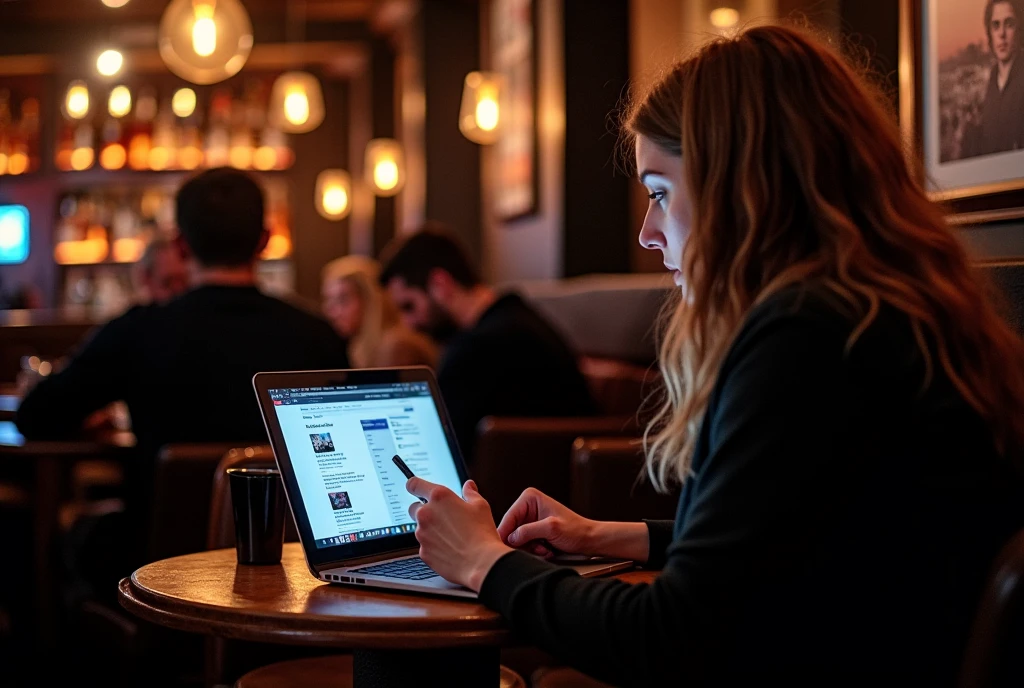
Editorial coverage of nightlife industries reflects how cities talk about themselves after dark. Media attention follows audience interest, search behavior, and local relevance rather than abstract trends. In practice, editors respond to what readers actively look for when planning evenings, weekends, or travel. A common scenario involves someone searching for nightlife options in a specific city and moving from general guides to more specific content. In places like Nashville, this behavior can include reading reviews, lifestyle articles, and service listings, where terms such as nashville escorts appear as part of a broader information-seeking process tied to nightlife planning. This illustrates how editorial demand forms around real user behavior and local context rather than theoretical cultural narratives.
How Media Outlets Approach Nightlife Industry Topics
Media outlets treat nightlife as both a cultural subject and a practical service economy. Coverage is shaped by editorial standards, audience expectations, and commercial considerations, resulting in a wide range of formats and tones.
Nightlife content often sits at the intersection of culture and utility. Editors frame it in ways that feel informative without crossing into direct promotion.
Bulleted list:
City nightlife guides and weekend roundups
Venue reviews and curated recommendations
Interviews with promoters artists or venue owners
Trend pieces focused on emerging districts or scenes
These formats allow media outlets to cover nightlife while maintaining an editorial voice that feels relevant and accessible to a broad audience.
Editorial teams constantly manage the line between informing readers and avoiding overt promotion. This balance is especially important in nightlife coverage, where businesses benefit directly from visibility. Neutral tone, contextual framing, and clear separation between editorial and sponsored content help maintain credibility. Outlets that fail to manage this balance risk losing reader trust.
Editorial Framing of Nightlife Businesses and Services
The way nightlife businesses are described matters as much as whether they are mentioned at all. Language choices influence perception and legitimacy.
Editors tend to rely on established narratives when covering nightlife industries.
Bulleted list:
Experience-focused descriptions rather than transactional language
Emphasis on atmosphere location and audience
Use of safety and professionalism as framing devices
Avoidance of explicit or sensational wording
These approaches allow publications to discuss nightlife services while staying within acceptable editorial boundaries.
Not all nightlife segments receive equal attention. Visibility often depends on alignment with audience demographics, advertiser interest, and editorial comfort levels. Some services are discussed openly, while others are referenced indirectly or through broader categories. This selective coverage shapes public perception and determines which parts of the nightlife economy gain mainstream legitimacy.
Audience Expectations and Media Consumption Patterns
Audience behavior plays a decisive role in shaping editorial priorities. Readers approach nightlife content with specific intentions tied to time and place.
Search intent discovery and city-based queries
Nightlife content is often discovered through search rather than passive browsing.
Numbered list:
Searching for nightlife options in a specific city
Reading guides or list-based articles
Narrowing choices based on availability or timing
Moving toward specific venues or services
This pattern encourages outlets to structure content around discoverability and local relevance. Articles optimized for city-based queries tend to perform better and attract repeat readership.
Impact of Editorial Coverage on Nightlife Markets
Editorial visibility has tangible effects on nightlife economies. Media attention influences demand patterns and business outcomes.
Positive coverage can drive immediate traffic to venues and services, especially during peak seasons or events. Over time, consistent editorial presence contributes to brand recognition and perceived legitimacy. Businesses featured in trusted publications often experience increased inquiries and higher conversion rates. At the same time, critical or investigative pieces can reshape public discourse and prompt regulatory attention.
Conclusion
Editorial coverage of nightlife industries is shaped by a continuous feedback loop between media outlets, audiences, and local markets. Editors respond to real search behavior and city-specific demand while navigating ethical and stylistic boundaries. The resulting content influences how nightlife is perceived, accessed, and valued within urban economies. As cities evolve and audience expectations shift, editorial approaches to nightlife will continue to adapt, reflecting the practical realities of how people engage with life after dark.